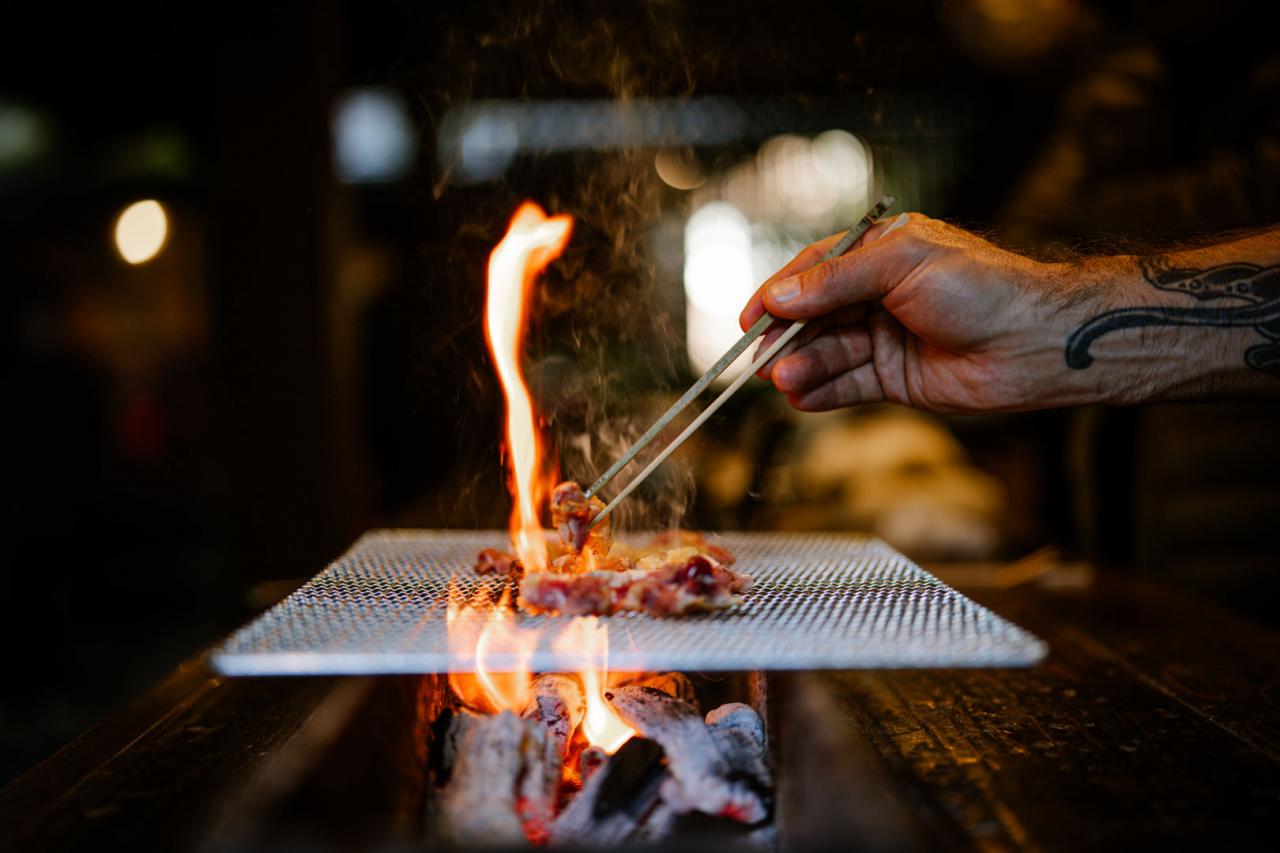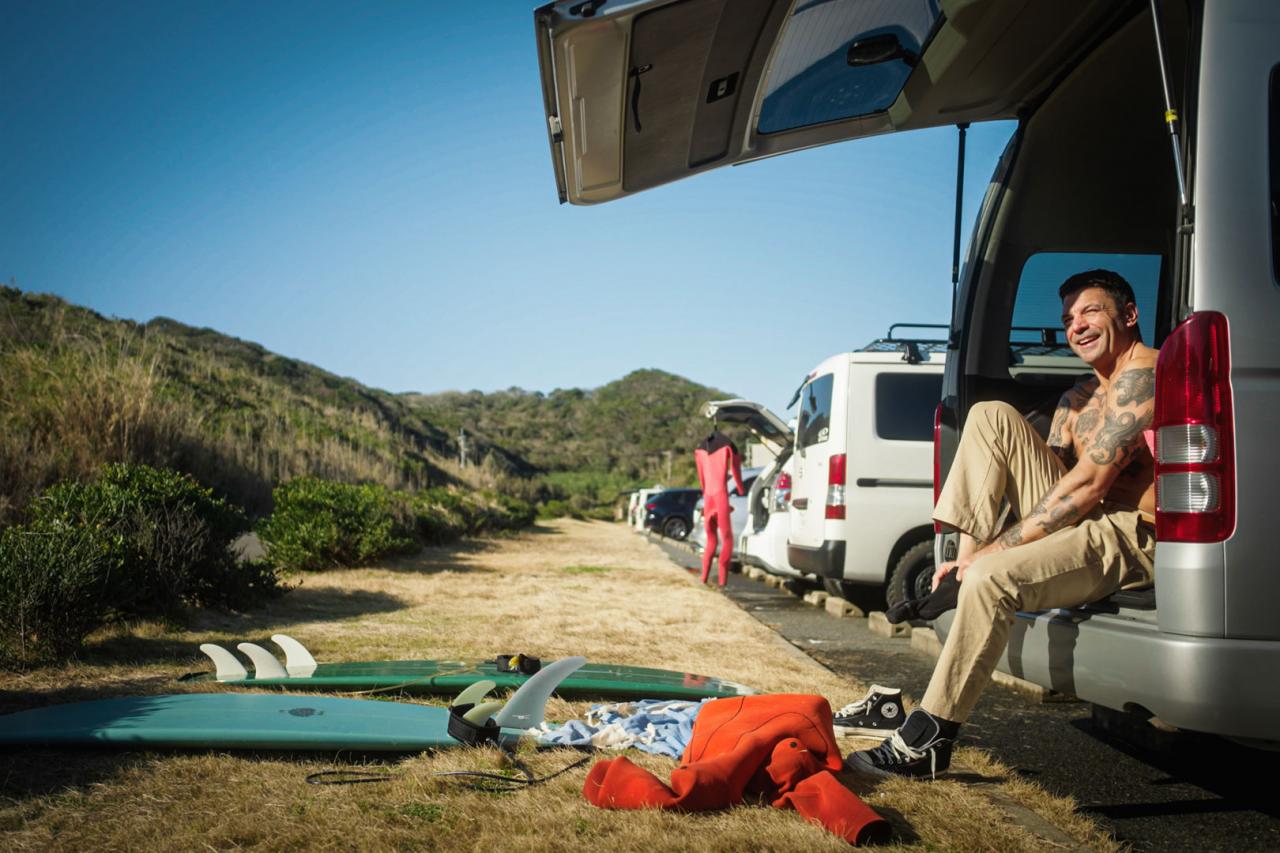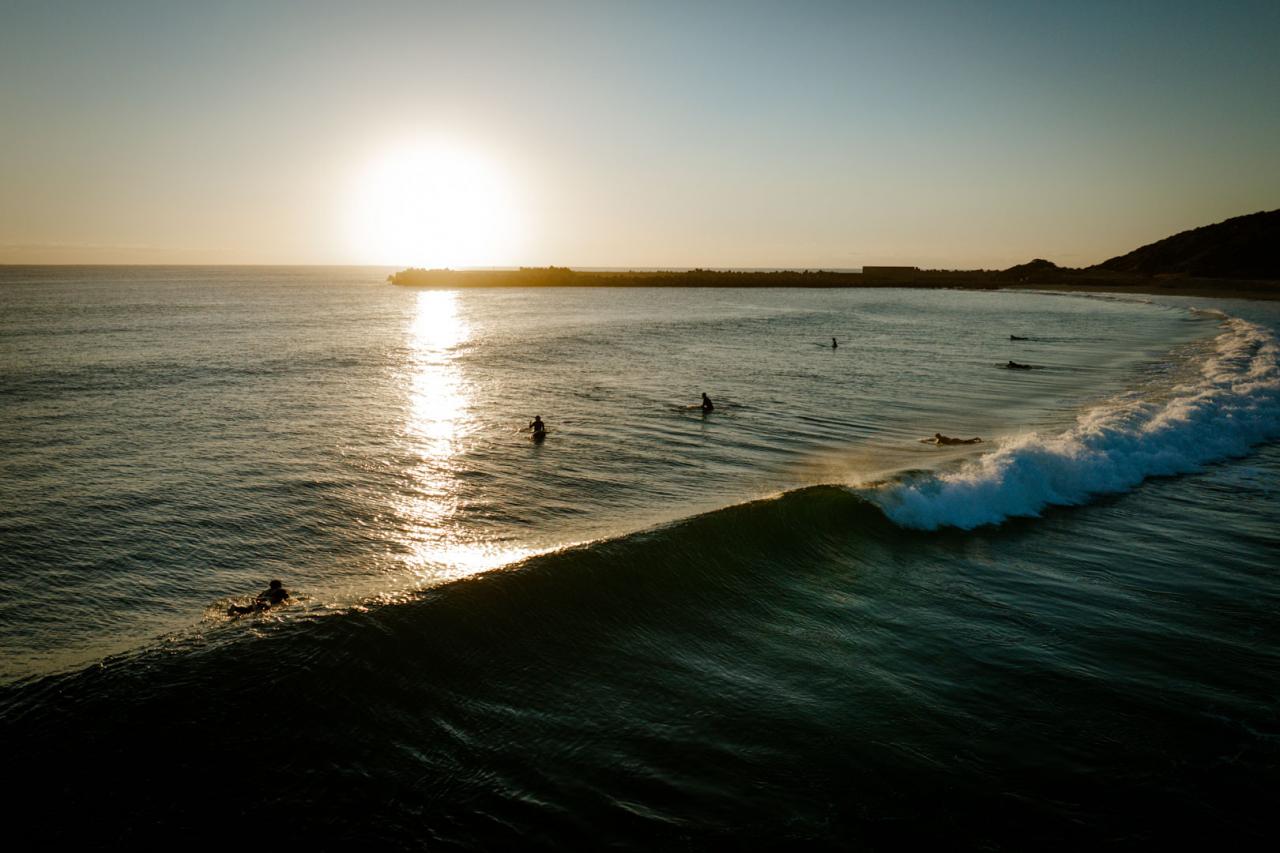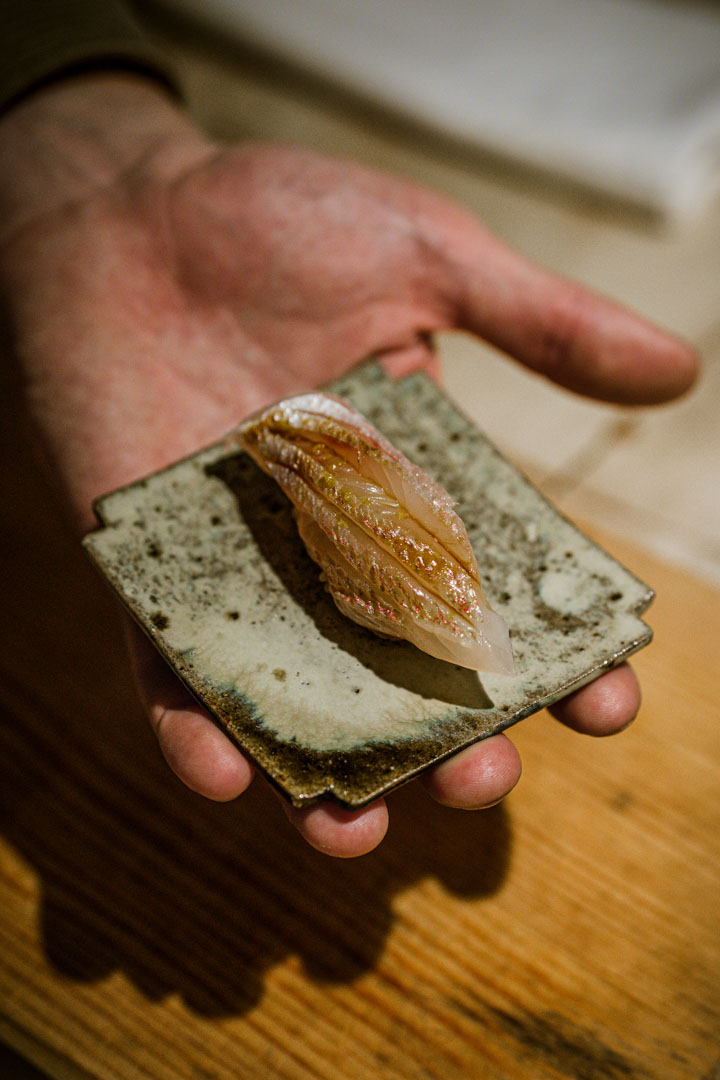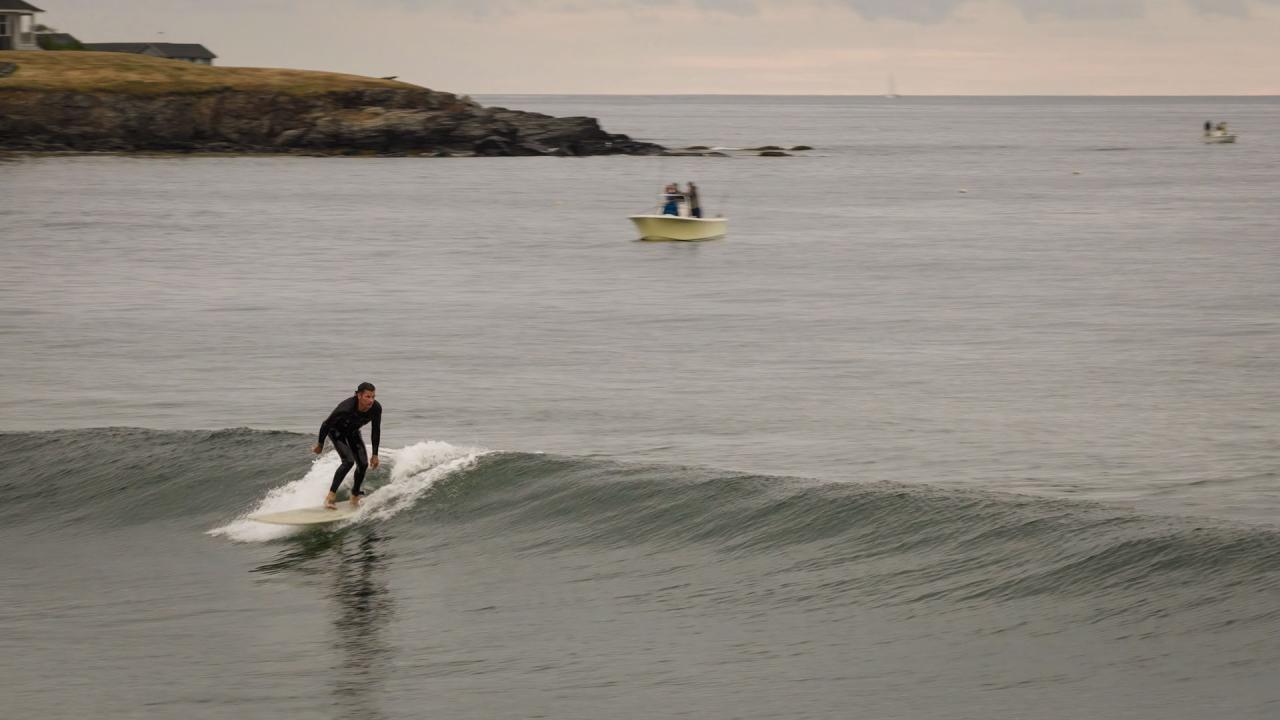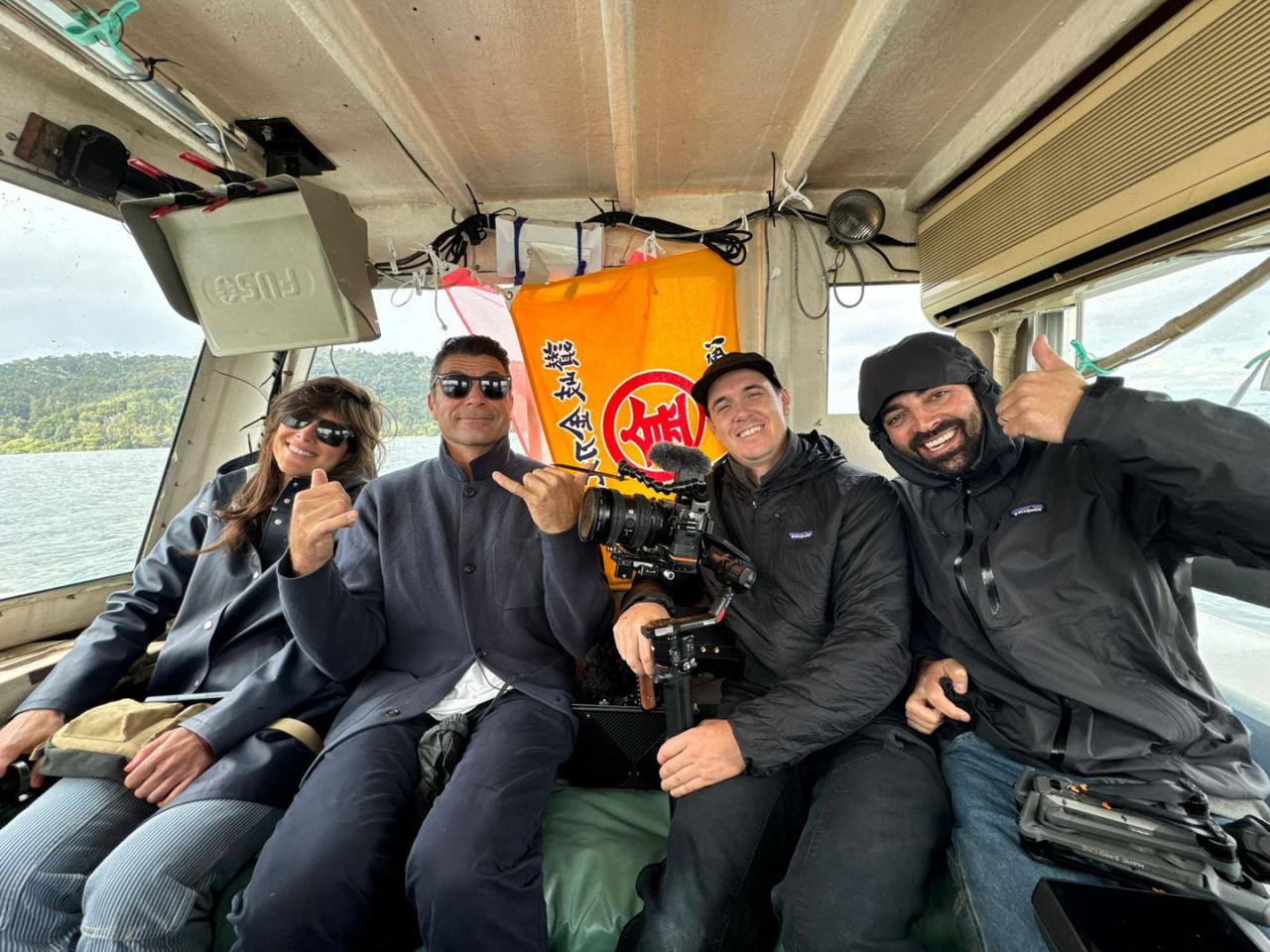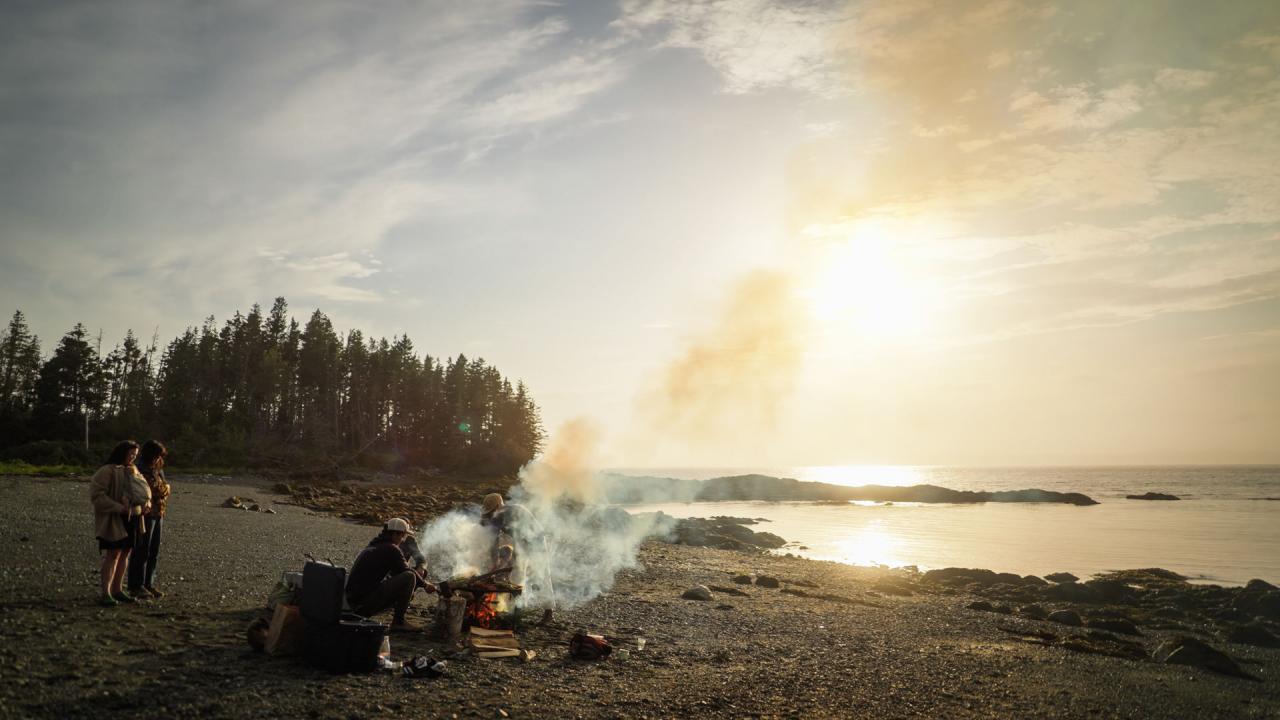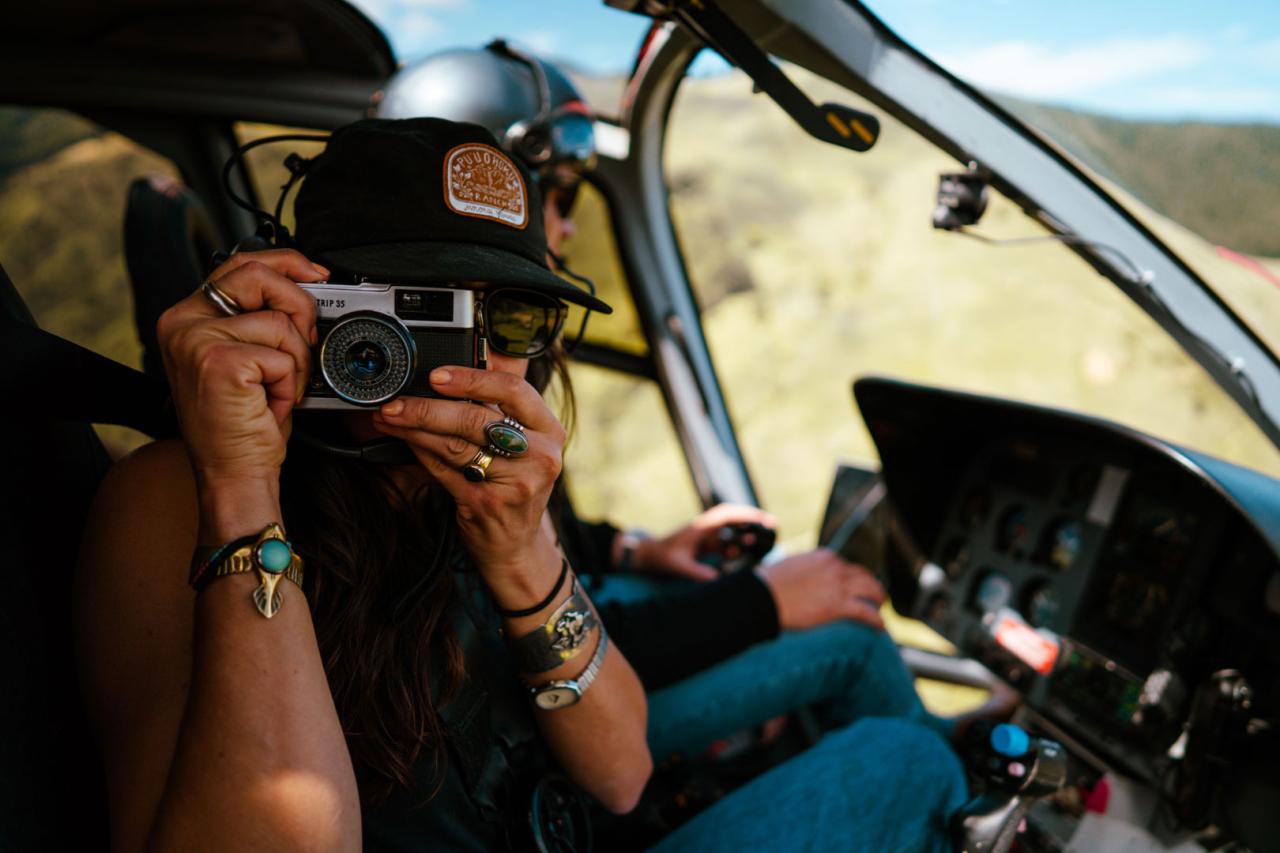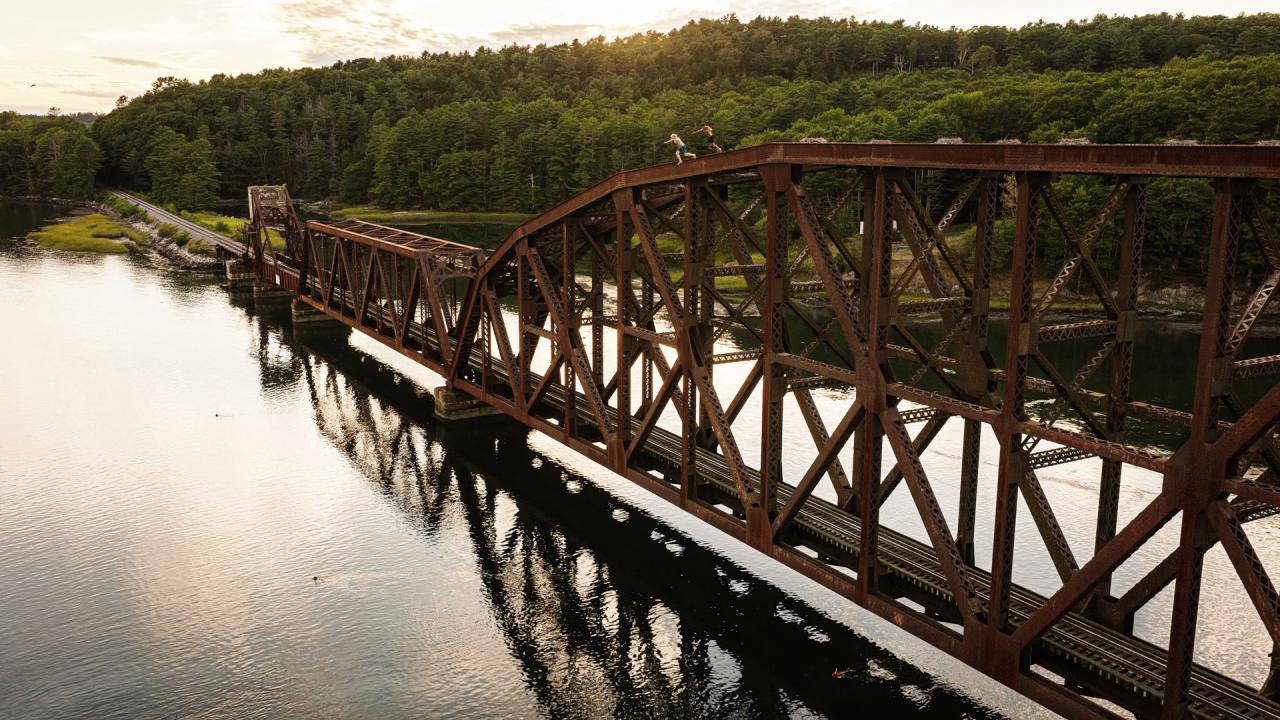


Whether surfing snowy point breaks in Rausu, Japan or free diving with dolphins off the coast of Kaikoura, New Zealand, Josh Rosen’s adventures always end in a delicious, hyper-local meal. A former pro snowboarder and surfer, Rosen is host of apparel brand Huckberry’s hit food and adventure travel video series, DIRT. Since its debut in 2022, episodes have taken him to far-flung parts of the globe, like the volcanic highlands of Guadalajara, Mexico, as well destinations closer to home, including the mountains outside of his hometown of Seattle.
At the heart of each episode is a local chef, who introduces Rosen to a network of local farmers, fishermen, and food artisans. The relationships he makes along the way underscore how deeply food connects people to place and how these local connections lead to one-of-a-kind, off-the-beaten path travel adventures. Local knowledge unlocks doors, from the best surf spot along Ireland’s Wild Atlantic Way, to a hidden robata restaurant in Kushiro, Japan.
A sportier take on the late Anthony Bourdain’s brilliant food series Parts Unknown and Danish chef René Redzepi’s Apple TV series Ominvore, DIRT celebrates the intersection between great food and adventure. “Surfing in 31 degree weather in the snow makes you a certain kind of hungry,” jokes Rosen.
Rosen and DIRT’s intrepid creative director and executive producer, Kate West, took a break from their globetrotting to talk to Session Magazine about the creative process that goes into each episode, their wildest adventures and most memorable meals, as well has their experiences of how food has the power to connect people and remind each of us of the responsibility we have to care for the land. Let's dive in.
Huckberry is a men’s clothing and gear brand. What sparked the idea to launch a show about food and travel?
West: Huckberry is interesting because it’s a lifestyle retailer and also a media company. The brand lives in the accessible adventure space and has a touch of bougieness. That idea of working for your food is something I love and I think people can relate to. You’re getting to the pot of gold at the end of a rainbow.
How did a former pro snowboarder end up hosting DIRT? How did you two connect?
West: I was working for STOKED, a nonprofit in New York City that empowers underserved youth through mentorship and action sports. Josh had the coolest surf shop in town [Saturdays NYC] and let us use his space for volunteer events. We realized we shared a Venn diagram of worlds and a shared passion for food.
Rosen: I had moved back to the Seattle area, where I was born. Huckberry was doing a shoot there and a model had dropped out last minute. Kate called and asked me to fill in. We had this mind-meld over food and adventure. I am not a trained chef, but my father was extremely excited about food. He would always forge relationships with the specialty person at the market in Seattle, like the third generation Japanese fishmonger whom he’d buy an entire live king crab from. My dad was good at following recipes but had very dull tastebuds and always asked me to taste whatever he was cooking. That sparked my interest in food.
The first few episodes of DIRT are shot in and around urban settings: Seattle, New Orleans, New York City. Are these places more challenging to find good food and adventures?
West: Episodes in urban environments are definitely harder to produce. People are way busier and it’s difficult to be as run-and-gun and spontaneous. Part of the storyline of DIRT is Josh’s insatiable appetite for adventure and it takes more work to get that fix in those big cities.
Rosen: We pitched Japan hard for the premiere episode, but there wasn’t enough budget for it so instead we chose my backyard. And I lived in New York City for sixteen years. Adventure is a mindset and you can find it anywhere. I think we can surprise readers by showing them what’s possible from a food sourcing perspective around urban areas. In New York, for example, there are people catching fresh lobster one hundred miles from Wall Street.
Was there a moment captured in that first episode where you thought, this is what DIRT is all about?
West: Josh teamed up with his friend, chef Brady Ishiwata Williams of Tomo restaurant in Seattle for that first show and we shot it in December. They went out to Stevens Pass and hiked 2.5 miles with their snowboards in waist-deep powder—our camera crew in tow—and ended up at these hot springs where they feasted on sushi and sake they’d brought along. And the whole team did it with a smile. That was the moment I knew the world was our oyster in terms of the adventures we could have with this show.
What actually goes into the thirty to forty minutes someone watches on YouTube? I’m sure there is so much that hits the cutting room floor.
West: What goes into it are the months of dreaming, planning, organizing, traveling, adjusting plans, editing, and then finally releasing. By the time we get home, there’s about an eight-week turn around. Every episode is multi-layered. There’s a lot of pressure to do a place justice. We work with David Cleeland and Wade Dunstan who are independent cinematographers at WRKSHRT and we’re a nimble crew of four that act kind of like a Swiss Army knife. We’ve done a few Uncut shows that allow us to squeeze more juice out of the lemon. For instance, in Atlanta, we had access to Grammy Award-winning musician Killer Mike. We couldn’t just let that live as thirty seconds in a show, so we devoted an Uncut episode to the entire interview Josh did with Killer Mike.
Rosen: Every episode has a building of energy - a crescendo. Everyone is excited when we arrive on site and start moving. By the third fourteen-hour day of meeting three different characters and driving six hours, you reach a point of mental and physical exhaustion, and we allow one another to break down. You have to get really, really raw and then come back together to reform as a unit. I have a lot of tattoos. It’s kind of like being half way through a tattoo when the pain is so excruciating, and then you wait a couple of months to do it again. You forget the dark parts and only see the beauty of the finished product.
How do you find your host chefs?
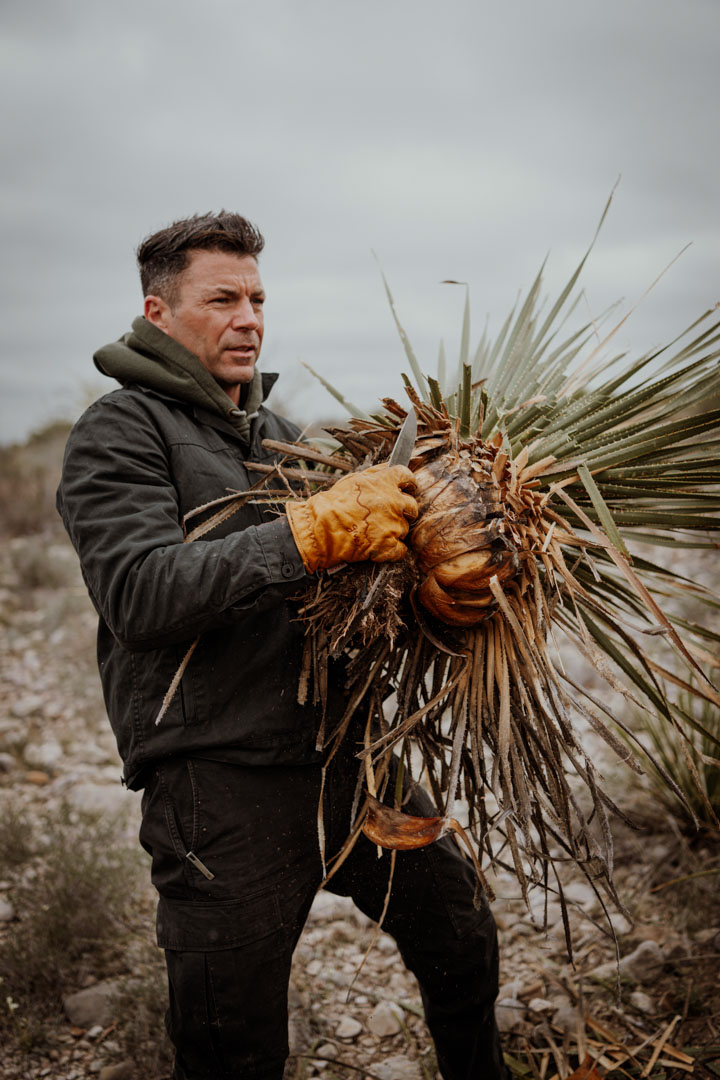
West: I usually lead the hunt. We like to use people who are on their journey and aren’t fully established yet. Chefs are some of the busiest people in the world. We try to find people who see this as an opportunity for storytelling. The husband-and-wife team behind Muttonbird in Wānaka, New Zealand didn’t have much of an online presence, but their menu featured ingredients I hadn’t seen before and they had a certain energy. The chefs we worked with in Guadalajara, Mexico were another husband-and-wife team and their mission at their restaurant Xocol is to preserve ancient foods.
What has been your favorite destination so far in terms of both adventure and food?
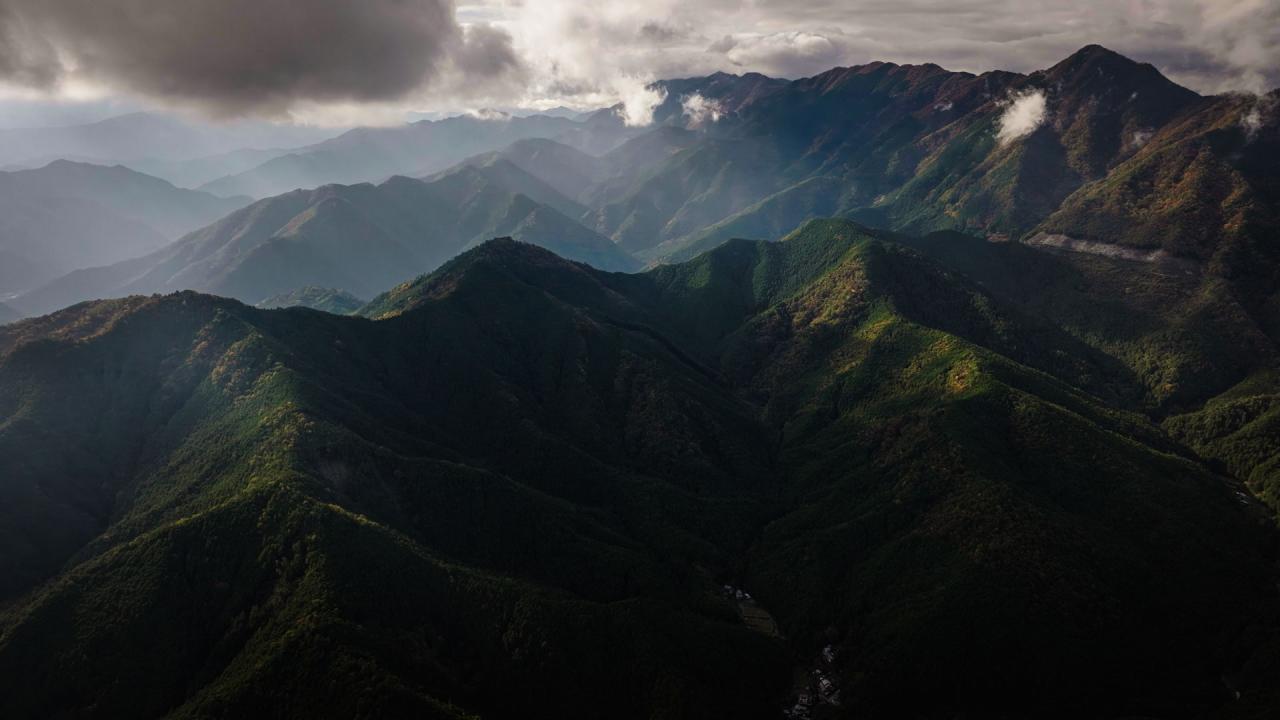
Rosen: Japan. Of course for the Japow and the surfing, and the food, but the people behind the food really are what create the flavor of each place. On the island of Kyushu, we went to visit this yam farmer, Yosuke. We couldn’t have been more remote or removed and yet the two of us had this connection.
West: Japan was really special. Yosuke took us to a Shinto Shrine and it really deepened our story. I cried. Moments like those are a beautiful expression of humanity.
I’m sure you encounter some weird foods, yet you have to be hospitable and at least try them. What has been the strangest food you’ve eaten for the show?
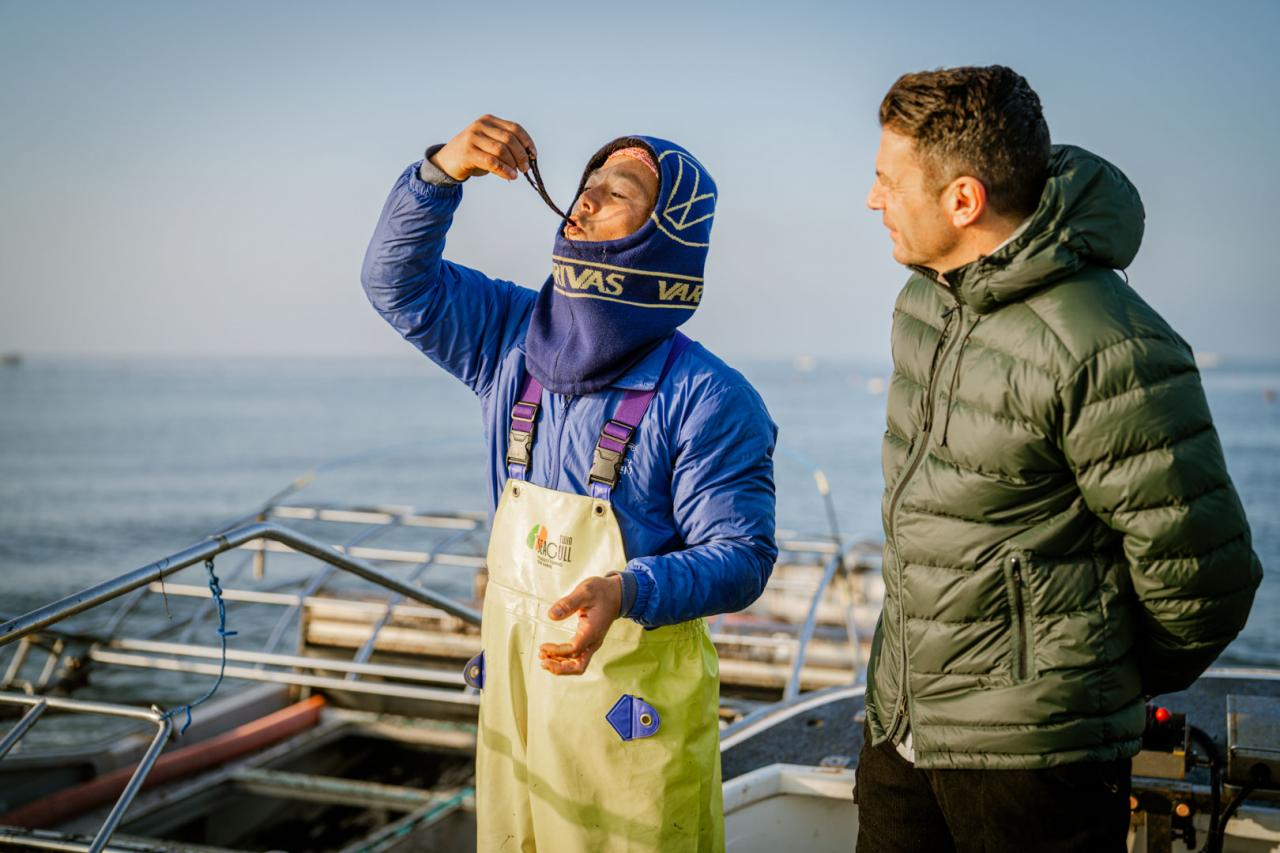
Rosen: When we arrived in Hokkaido we sat down to our first meal with chef Kenji Kaga, who has this amazing restaurant inside of a train station. We were eating these wonderful things and then he brings out what looks like a tube of cream cheese. When he squeezed it out, it looked like brains. Well, it was the dead of winter and cod sperm was in season. It was offered at almost every restaurant and I had no choice but to just grin and bear it.
West: I fed the driver my cod sperm. One day I’ll pay him back.
Have you learned any new cooking techniques or tricks?
Rosen: I went foraging and fly fishing in Colorado with Michelin-star chef Barclay Dodge who owns Bosq restaurant in Aspen. He is a fine dining chef and watching the care he took cooking with cast iron over an open fire made something shift in me. I realized cooking outside doesn’t have to be rudimentary. There are small, subtle things you can do like pack little containers of sauces and oils to add depth and flavor to your dishes even in the backcountry.
A lot of your encounters with chefs or artisans lead you to a deeper messaging around sustainability and how changing weather patterns affect our food sources. Can you share some examples of this?
West: I always wanted to be a farmer in another life and this show taught me how hard it is, especially to be an organic or independent farmer. These people are stewards of the land. When we shot our Colorado episode we visited the Jones family, fourth-generation farmers in the San Luis Valley—the largest alpine valley in the world. It was once full of small farms with diverse crops and now it’s mostly large-scale potato farming and farmers are dealing with water shortage, potato virus, and soil erosion. The Jones family is overcoming these adversities by reverting to regenerative, organic techniques. They grow over twenty varieties of potatoes and alternate the crop with heirloom rye grain to rejuvenate the soil when the nutrients are zapped by the potatoes.
Rosen: In Maine, we went out on a scalloping boat owned by Bobby and Marsen Brewer of PenBay Farmed Scallops. They have transitioned to harvesting scallops instead of lobster as it’s more reliable and sustainable because they give back more than they take. There is a need to find alternatives to lobstering. But it is hard for locals to adjust. Generationally, when you’ve been doing the same thing for so long and it’s what you know, your father knew, your grandfather knew, it becomes part of your DNA. Doing something else takes away that piece of their identity.
What destinations are on your wish lists?
West: Single ingredients get me excited and I’d love to go to Madagascar to do something on vanilla. I lived in Beijing for a few years and that time helped shape my understanding of how food can be a great connector of humanity. I was horrible at Mandarin, but food always connected me to the people. When it comes to food heritage, there’s no place like China.
Rosen: The places that excite me are the ones that have preconceived ideas around them, like Reno, Nevada. I traveled there thinking this place is the armpit of America, and then I discovered the art scene and amazing Korean tacos. I was blown away. Every place has something exciting if you take time to look. I think going to places in the Middle East would shake and rattle the images we have in our head and spit them out totally changed.
What’s on deck for 2026?
Rosen: We can’t give away too much, but we’re working on an episode in Hawaii with the Florence brothers. It’s going to be a story of uplift and aspiration. There’s a lot of energy behind it and we’ll be launching it in early 2026.