

For a few months in 1994, I was nearly convinced that I would live in Indonesia.
I was taking the RSA CTEFLA course, the gold standard of certification for anyone looking to teach English as a foreign language, and was narrowing my sights on different schools, mostly in Surabaya, Yogyakarta, and of course, Bali. My sister had studied abroad in China—twice—and friends of mine had taken semesters in Europe or South America. I was tired of missing out. I was going to see the world, and I would begin my journey in this island nation. I would visit temples, quest for spiritual awakening, and maybe find a cool sailing community where indigenous people built wooden boats with strange-shaped sails. But fate, and an invitation from the US Peace Corps, brought me to Thailand instead—where I would live and work for seven years, first as a volunteer in the northeast and later as a professor and travel writer in Phuket. Still, because of my near-life experience, Indonesia remained a what if? branch in my mind, and friends and travelers whom I met often reinforced the association in their reports of wandering from one country to the other.
It wasn’t until thirty-one years later, however, in the summer of 2025, that I finally landed in Indonesia — bound for an island I’d only recently heard of: Sumba. That the trip doglegged from our three-week vacation in Thailand seemed only fitting.
I don’t know if comparison is a universal component of travel, but my wife Yupin and I are constantly sizing up beaches, food, the friendliness of people; well, everything. So I knew going in that I would experience Sumba in reference to Phuket, regardless of their vast differences. And that’s the main reason for pairing them here. After visiting them back-to-back, I’m struck by similarities as much as the contrasts, and I’m grateful that we could experience both. If you have the chance, you should definitely go for it—and with direct flights from Bali (where you transfer to Sumba). It’s relatively simple.
SUMBA
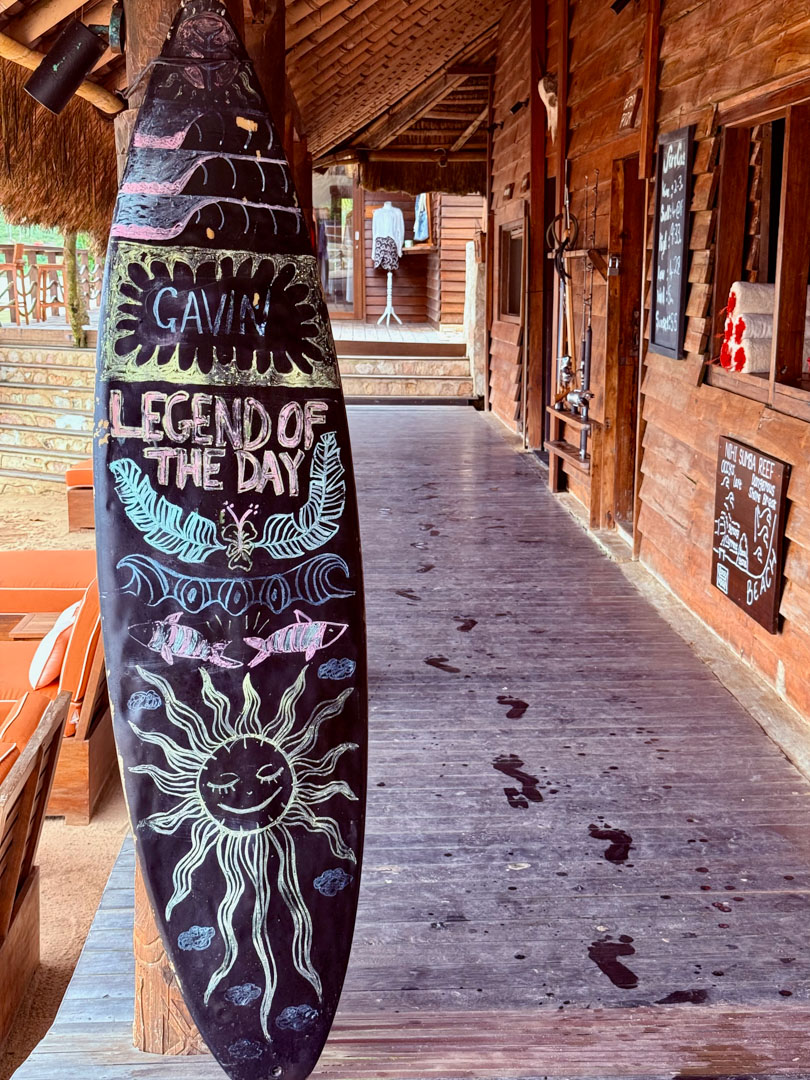
A few weeks before our trip, I felt pretty rad because we were headed to this unknown island, but then my friend DM’d me to say, “Just got a hot tip from the NYT,” along with a link to an article entitled “Sumba is not Bali. And That’s the Point”, by Damien Cave. Whether the island can resist the forces of rapid development remains to be seen. Tripadvisor lists 85 hotels today, whereas in 2000 only one had opened, the Nihiwatu (now Nihi Sumba). I wondered were we already too late? I remembered my first Phuket visit in 1995, which was akin to arriving in Seattle in 1992 just months after grunge broke, when half the people you’d meet would say, “You shoulda been here five years ago, man.” But, so what? Regardless of its increased exposure, and in terms of a travel experience, Sumba would still counterbalance the mass tourism of Phuket.
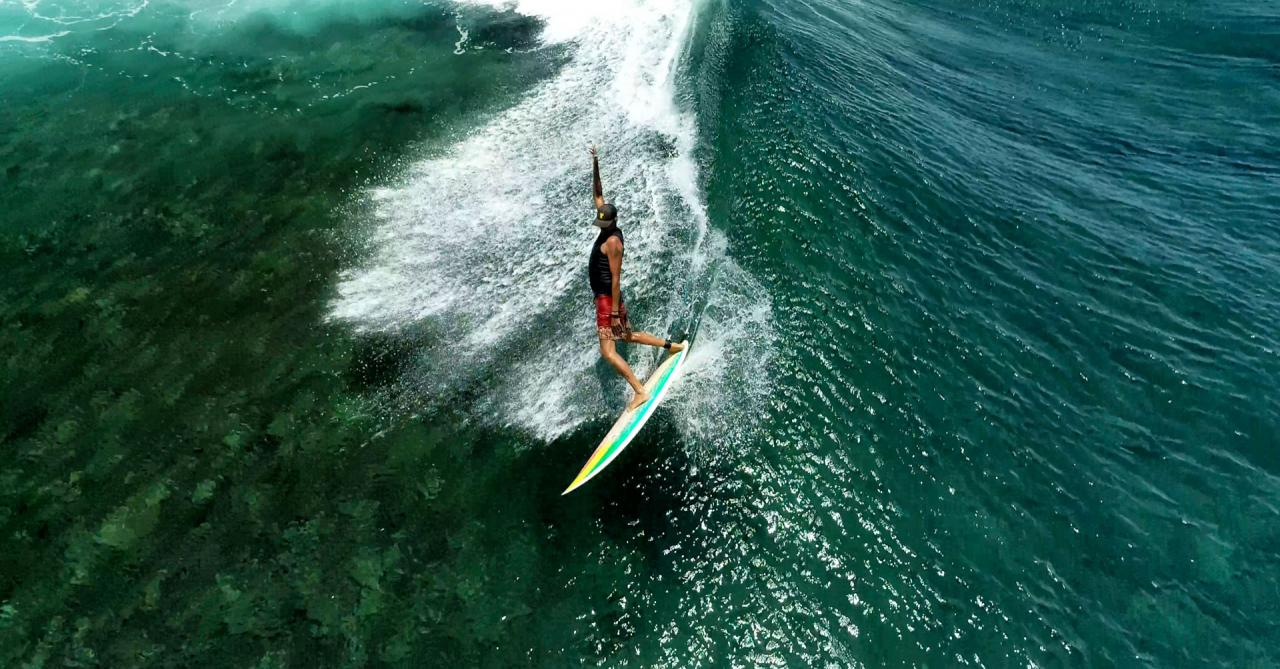
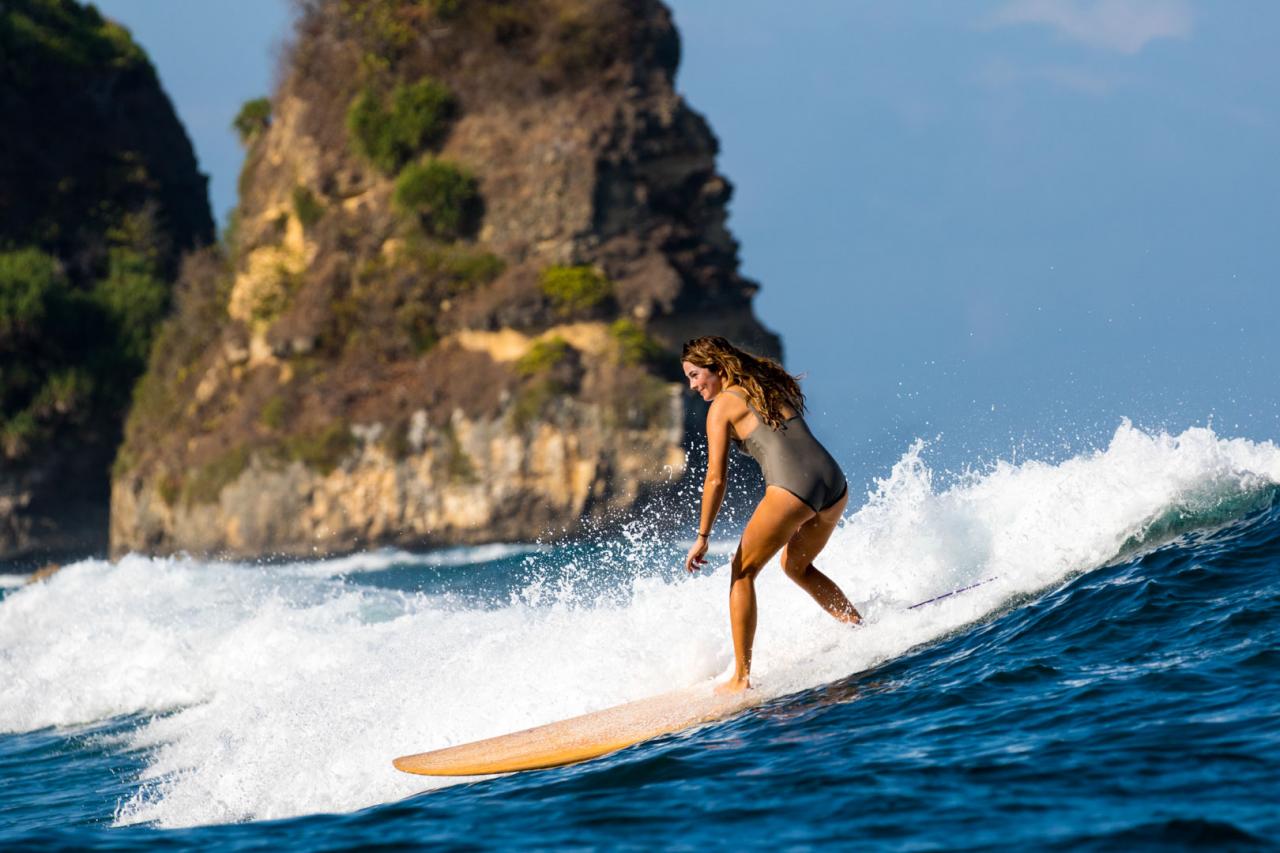
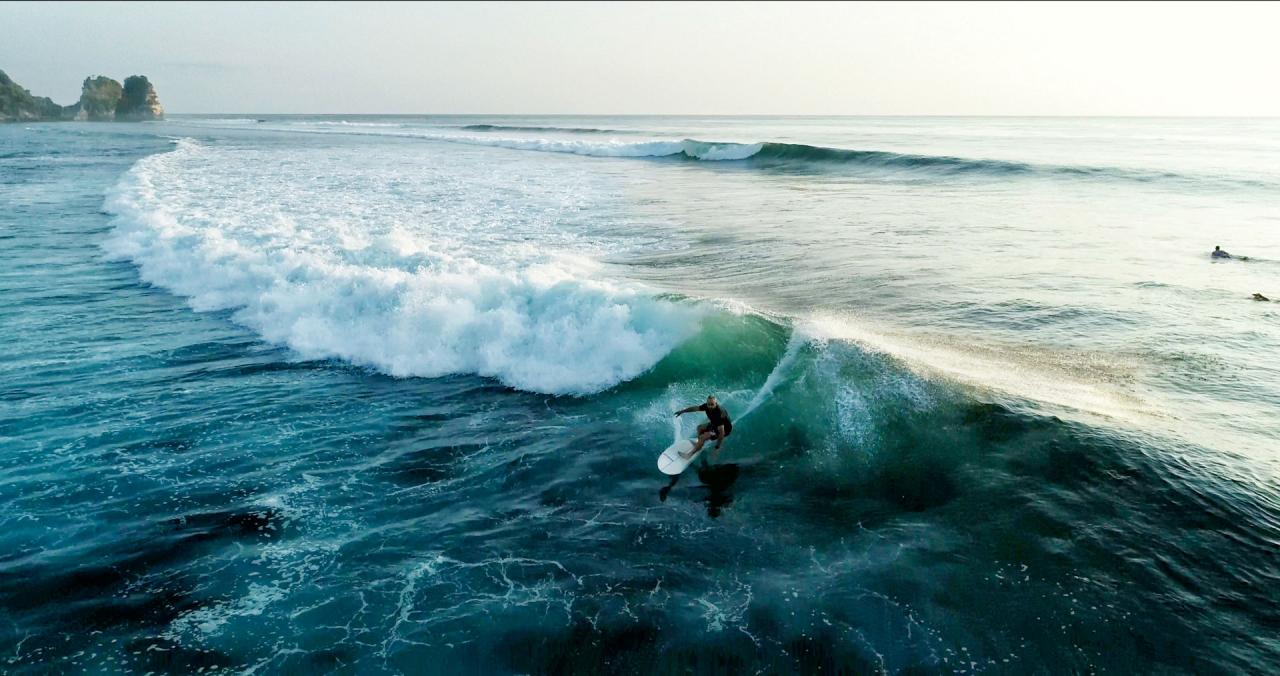
When we first walked down to Nihiwatu Beach, the private 2.5km stretch of golden sand at the Nihi Sumba, I immediately wondered if this is what Phuket’s major beaches looked like - you know, when you should have seen them. No other buildings lined the bluffs, and this could’ve been the same view that Dutch colonists beheld in the late 1800s, or even the Javanese when they annexed Sumba in the 12th Century. Massive surf pounded the shore. Red flags whipped on bamboo poles, and no one was swimming, though a few people were riding the resort’s small horses along the beach. Just offshore, Sumba’s most famous wave was breaking beyond a shallow reef.
Surfing opened Sumba up to the world, but destiny or chance played a major role in the development of Nihiwatu. In 1987, American surfer Claude Graves and his wife Petra, of Germany, were ill and stuck in a “horrible” resort in the Philippines. Even the surf sucked. The resort’s owner suggested that they quit complaining and go build their own place somewhere, so they decided to call his bluff. In a 2020 Nihi Sumba livestream, Claude explains, “We were on a around-the-world mission.” The goal: a spot with good waves, no tourists, no more than 400 miles from a major hub. Petra also insisted on a strong local culture. Sumba made the list, but after two weeks of scouting its coastline, they were about to pack up for Mozambique. Claude recalls, “But then Petra said we missed one beach.” So they trekked the 5-6 hours from town and arrived at a lone tree near where the Nihi boathouse would eventually be built. They knew right away, Claude says, “This is it. This is the place.”
The Graves acted quickly. They went home, stocked up on supplies, and returned to Nihiwatu six months later with a Jeep and a Zodiac. In 1988, they invited surf filmmaker Jack McCoy and board shaper Jim Banks to shoot a promo for investors. Then McCoy returned a couple of years later for a Billabong project, bringing Australian surfer Mark Occilupo with him. According to Wavelength Magazine, they shot for a couple of weeks, and the footage appeared in McCoy’s 1992 classic, Green Iguana. Forever since, the wave has been known as Occy’s Left.
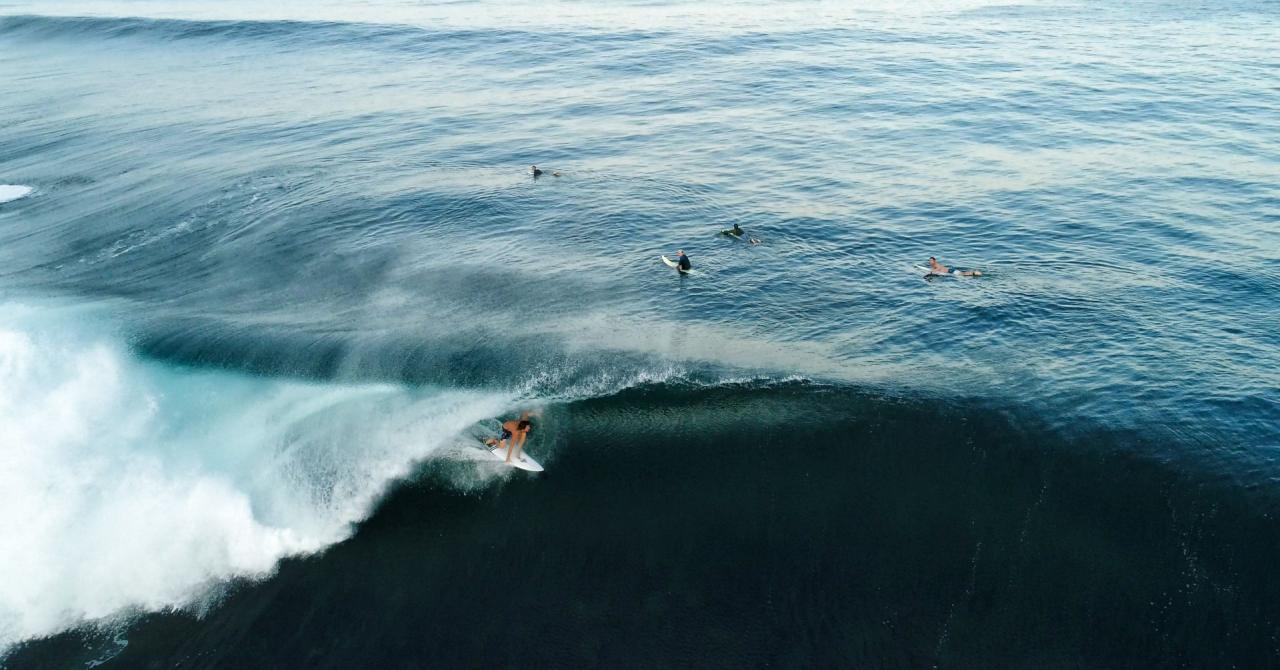
Today, Nihi Sumba manages Occy’s Left, limiting the number of surfers to twelve per day—and only guests. But sheltering the wave from mass tourism is just one of the ways the resort preserves Graves's original vision. In 2011, entrepreneur Chris Burch (Tori Burch fame) purchased Nihiwatu and partnered with hotelier James McBride, best known for running The Carlyle in NYC. In the process, he agreed to support the Sumba Foundation, which the Graveses established with businessman Sean Downs in 2001. Now in its 25th year, the Sumba Foundation operates education, economic development, nutrition, water, and health programs to help “alleviate the burdens of poverty” on one of Indonesia’s poorest islands.
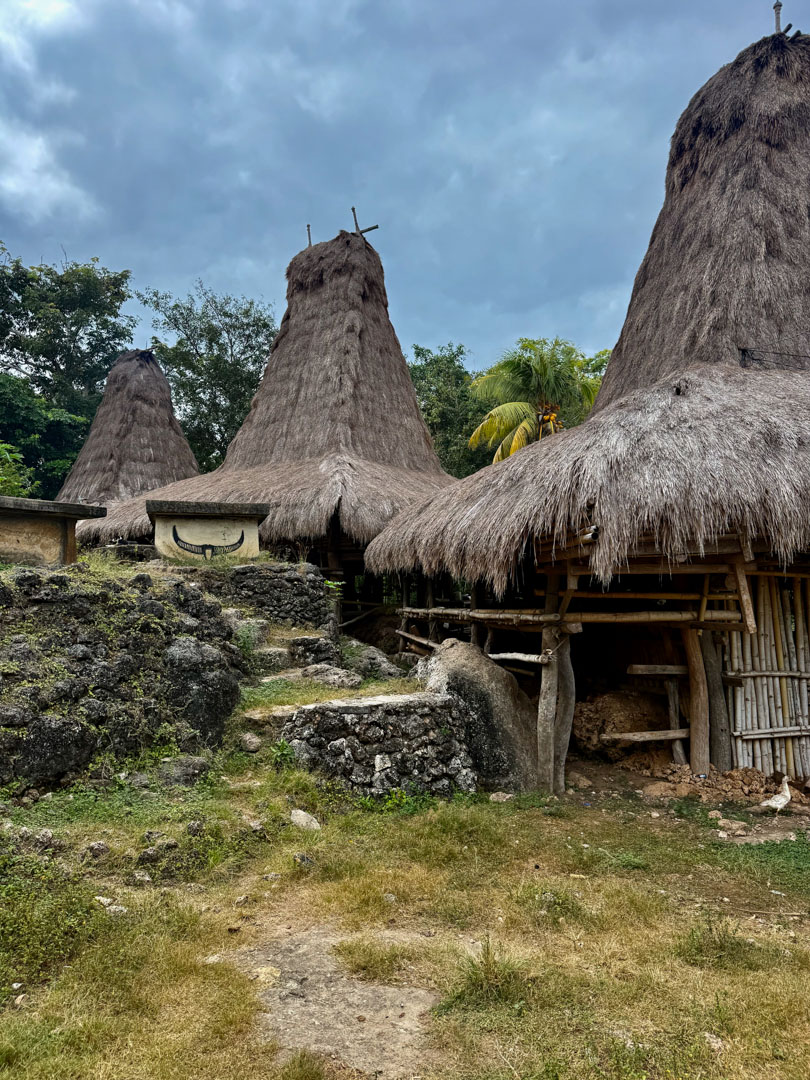
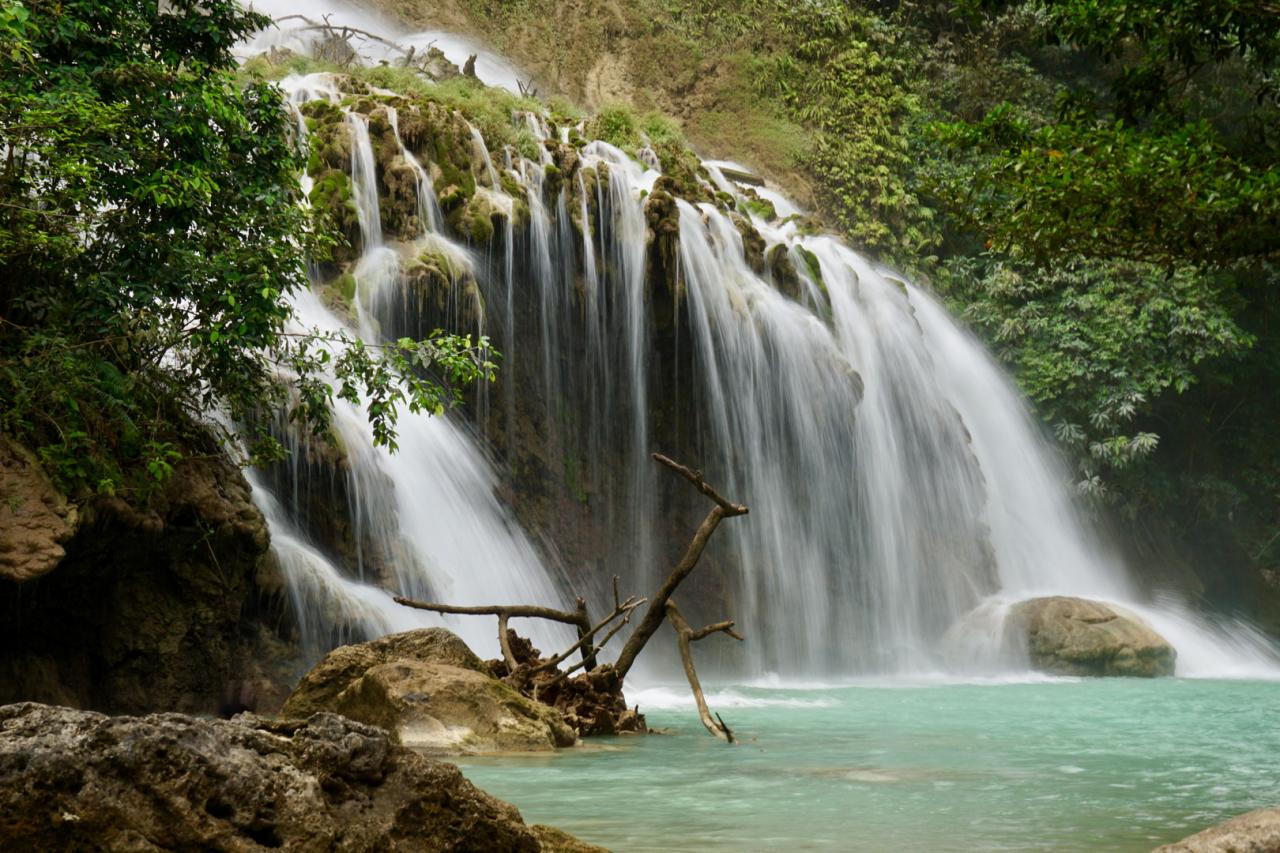
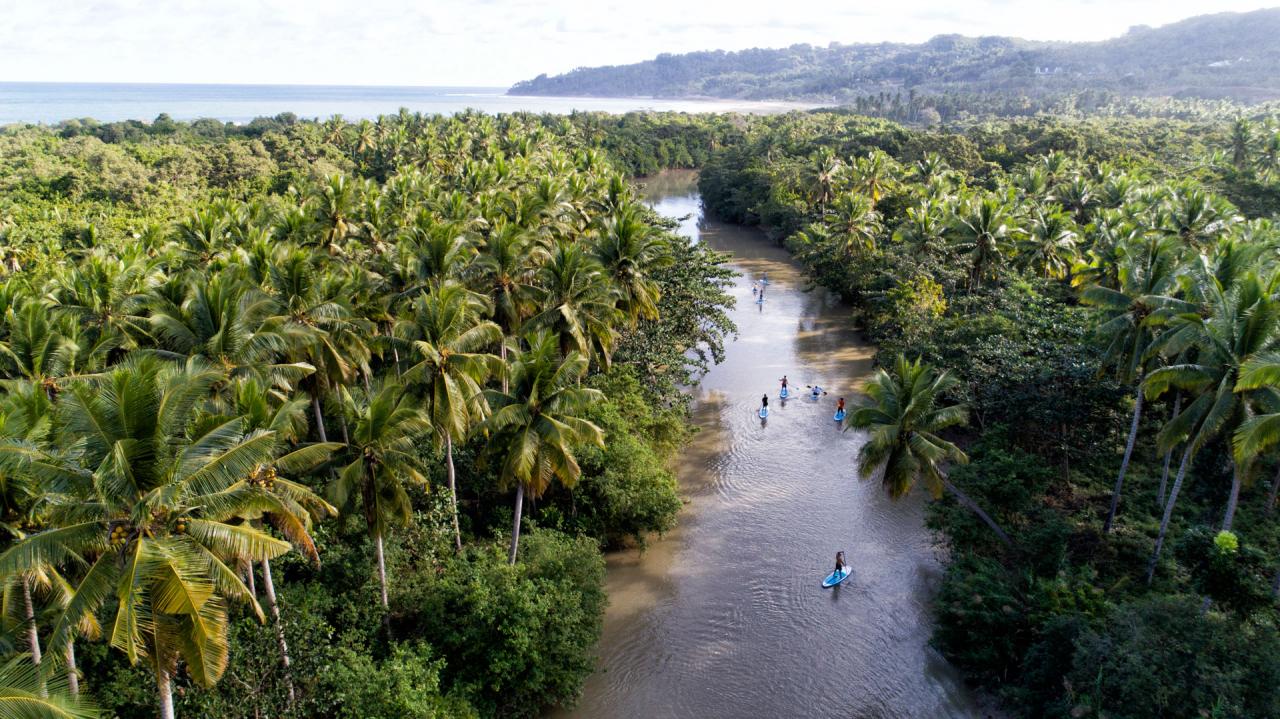
Although I’m aware that other hotels and resorts are operating on Sumba, we only spotted one in four days, near the airport. We covered a lot of ground, but saw mostly cassava fields, rice paddies, pastures with water buffalo and goats, a few villages, jungles, and the spectacular Lapopu Waterfall. The island is big, rural, mountainous, and spread out. Evidence of the Sumba Foundation’s work is visible in new schools and medical clinics. And local culture endures. Ikat story telling/weaving techniques pass to the next generation, family tombs stand in front yards, and buffalo skulls adorn the entryways of traditional, high-peaked uma mbatangu homes. As Chris Burch says in a Sumba Foundation video, “This place is so beautiful, nothing has to change. Of course, they put in new roads, and it used to be only horses. And now there’s motorbikes, but nothing’s really changed. People still smile. The island is full of life and beauty and joy.”
Phuket
We arrived in Phuket late because Air Asia canceled our flight from Bali, but Yupin’s brother and mom picked us up, and we arrived at Rimpan Seafood about an hour before their 9:00PM closing time. Aside from a group of local government officials celebrating a birthday, we were the only diners. Practically beneath the Sarasin Bridge, which connects the island to neighboring Phang Nga province, it’s a charming spot on the beach. We feasted on crab-fried rice, pak lieng (stir-fried melinjo leaves), and squid, both steamed and grilled. The food was delicious and inexpensive—about $40 total—but it was funny how here in tourist central, we were the only tourists. Cool, too, that you can still escape the throngs, and you don’t have to pay “Phuket prices.”
Soon after dinner, however, I remembered one of the reasons why we decided to leave Phuket after three years of living here. Traffic. Because in certain parts of the island, you’ll need the patience of a heron—especially in Patong, or party central, where it’s faster to walk than drive past the shopping malls, seafood restaurants, Irish pubs, and the Illuzion Club Phuket, which DJ Magazine ranked #1 in Asia and 9th in the world. Patong seems to have tripled in size since the early aughts, and its streets were so crowded at 10:00PM in June (when the number of visitors is relatively small) that we could hardly imagine high season. And it’s almost incomprehensible to think that just fifty years ago, this 1.77-mile arc of sand was pristine, or that the island’s tourist development only began in the early 1980's with small bungalow operations, like the original Nihiwatu.
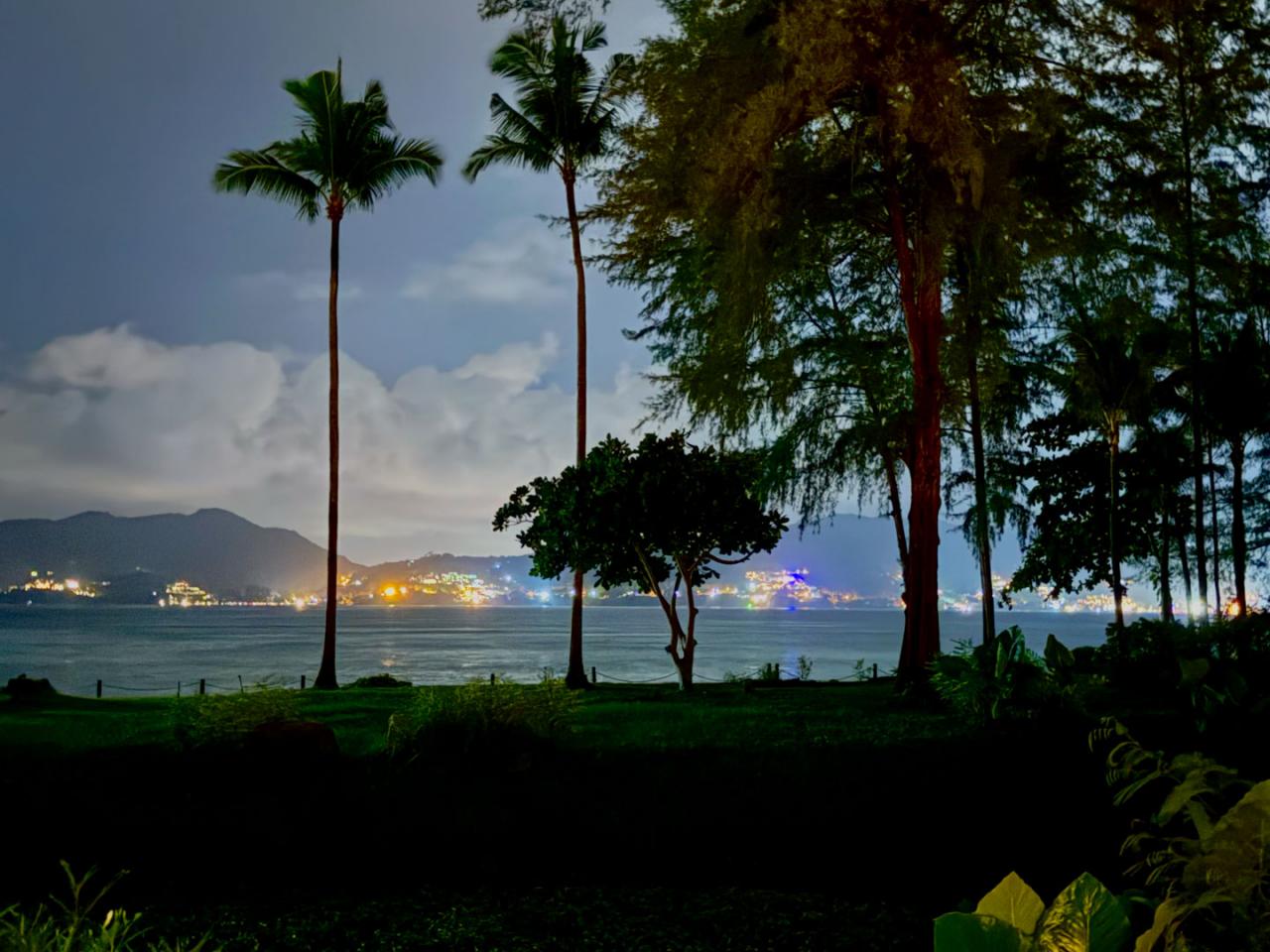
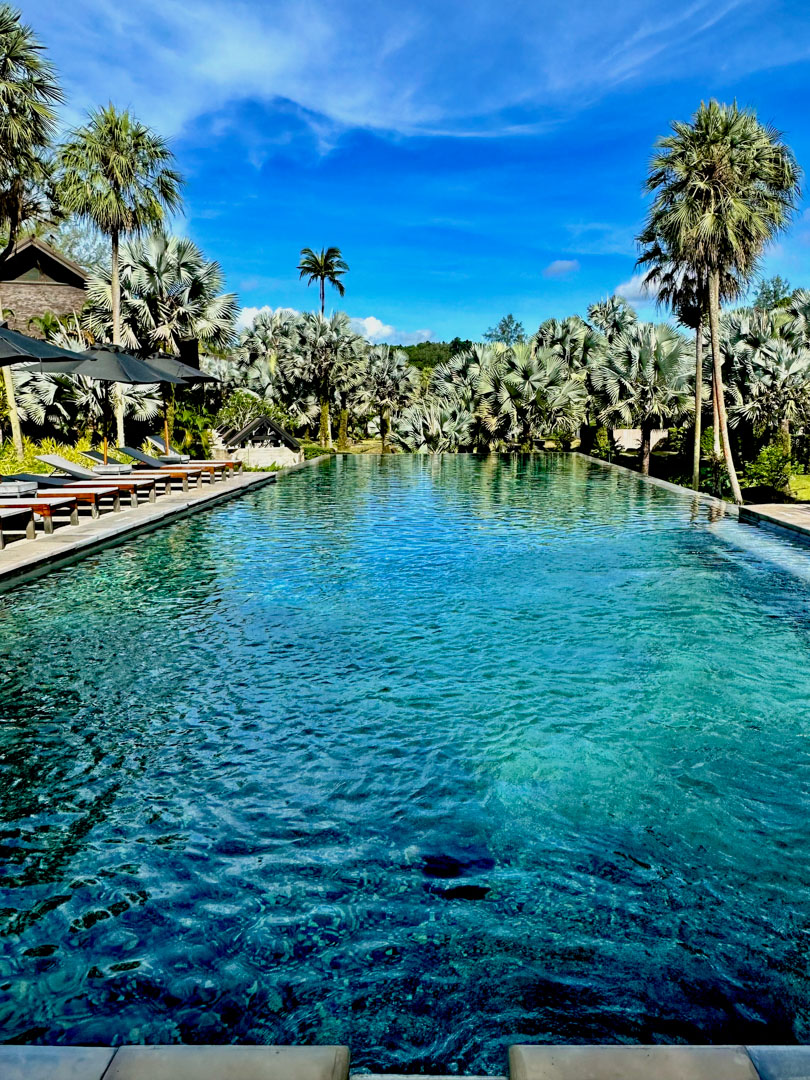
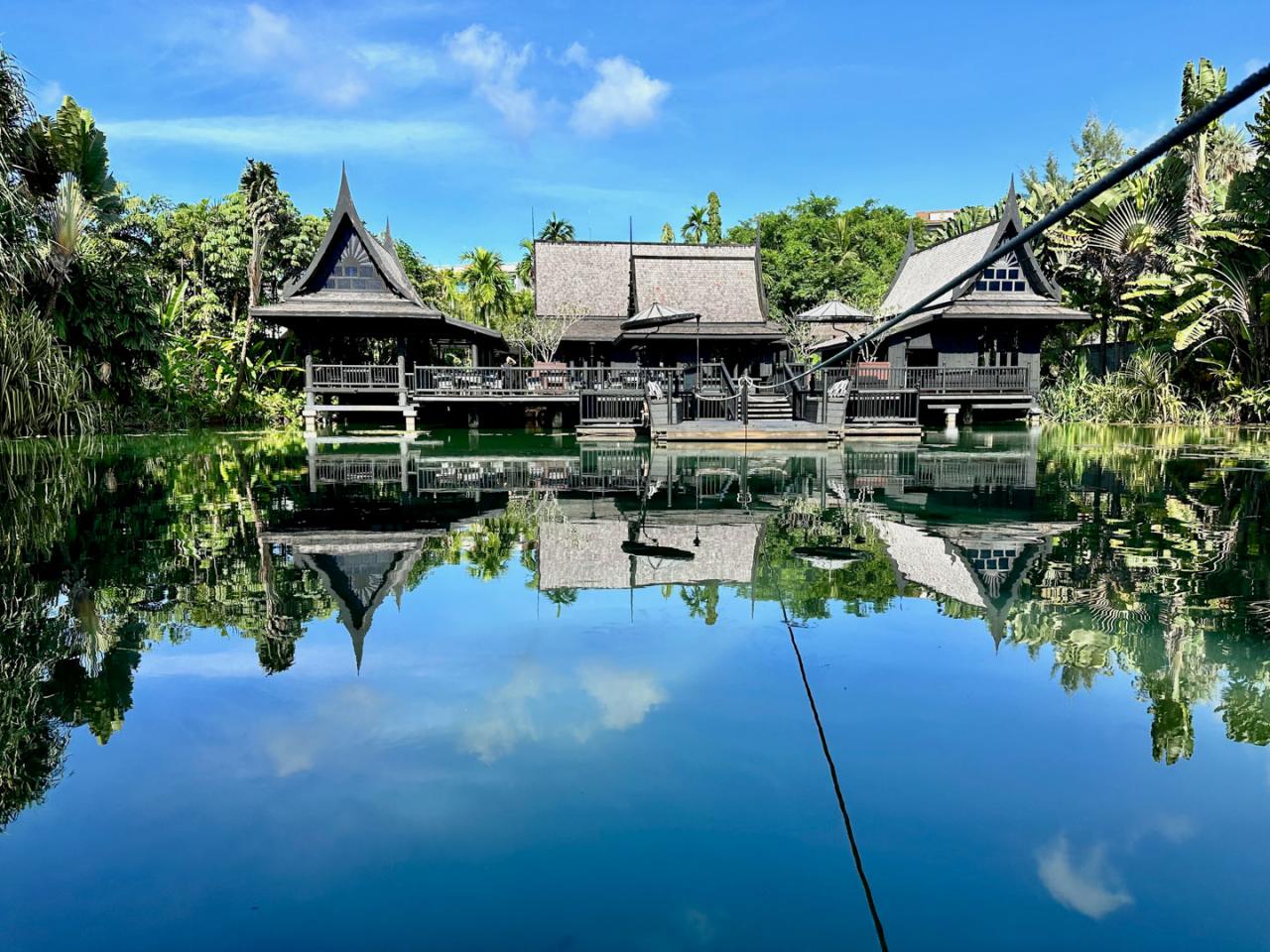
I always thought of Phuket as a pretty big island, but at two hundred and eleven square miles, it’s a little smaller than Cape Cod and only one-twentieth the size of Sumba. Still, it offers a bunch of variety. Phuket Town charms with its Sino-Portuguese architecture, storefronts, and local markets, and Naiharn, near the southern tip of Laem Phromthep, is my favorite frisbee beach in the world. Head to the Andaman (west) coast for the nicest beaches, though be prepared for crowds, especially from Patong south through Karon and Kata. Most of the five-star hotels perch along the northern beaches from Surin to Mai Khao, but you’ll still find a few high-end resorts in the busier southwestern quarter. For instance, we stayed at The Rosewood Phuket, an elegant and tranquil retreat on the headland between Patong and Karon. Although it overlooks Patong Bay, it’s far enough removed that you can swim or SUP in peace, without concern for jet skis or speedboat chop. Rosewood would also be an ideal launch point for a longer SUP session around the tip of Laem Lam Chiek, a rocky cape with a few small, “secret” beaches.
If you’re looking for the surf scene, you’ll want to visit during monsoon season, from June-October. Kata remains the epicenter of action, especially for beginners and intermediates, but the waves can be rideable at any of the western beaches such as Naiharn, Surin, and Mai Khao.
Unlike Sumba, the surfing culture was a latecomer here, only taking shape in the mid-90s. Chanin Ayaruk, current and two-time president of the Surfing Association of Thailand, grew up on the island and told Phuket Magazine last year, “Surfing was initially more of a lifestyle than a sport. It was a way of life. Before going to work, we would surf, especially at Kata Beach…in the evening, we would come back and surf again. We would sit and watch the sunset from the surfboard.” From these roots, Ayaruk traveled to Indonesia to surf big waves. Later, he helped the Phuket Board Rider Club evolve into the Surfing Association of Thailand, which the Thai government officially sanctioned in 2015. This year, the Surfing Association sponsored two major events over five days in September: the Kalim-Patong Surfing Contest and the Thailand Surfing Championship. Both events took place in Kalim, a rocky bay just north of Patong and a favorite spot for more advanced surfers.
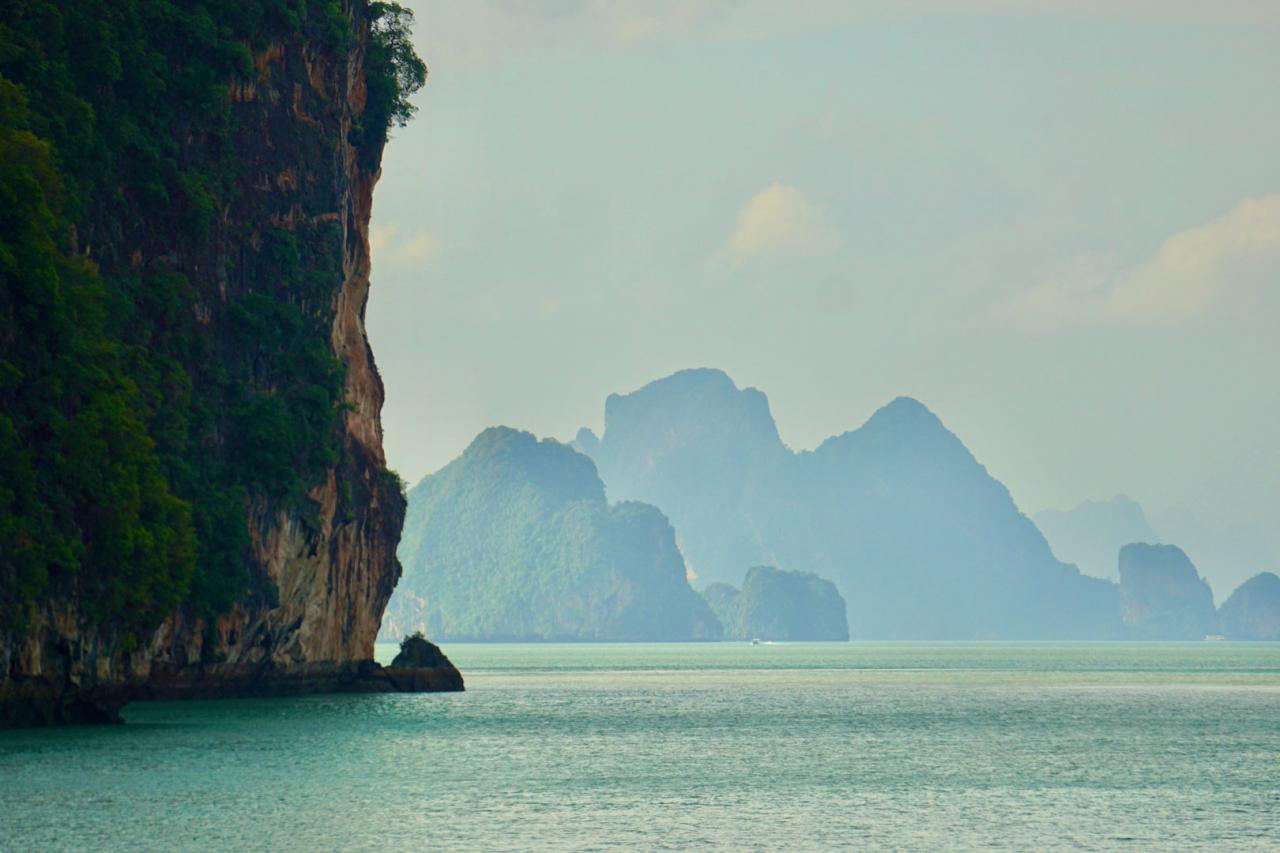
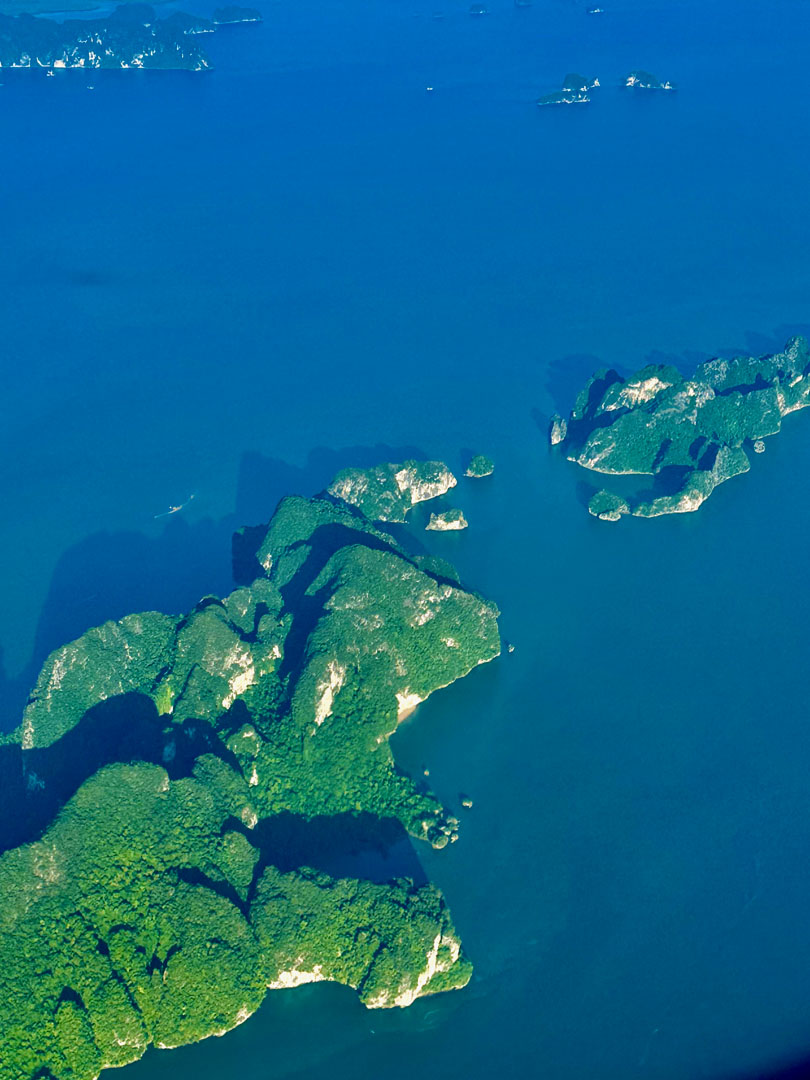
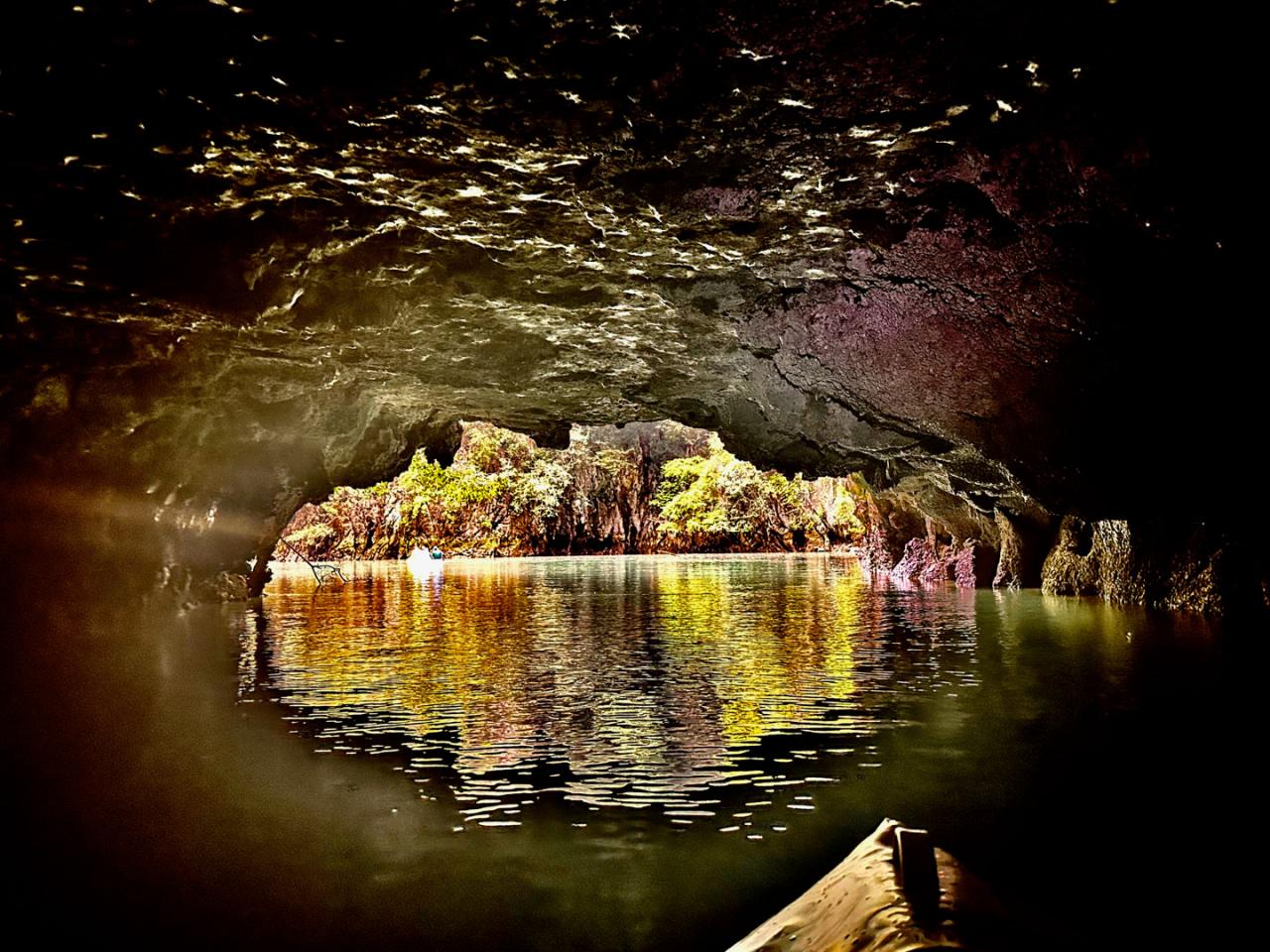
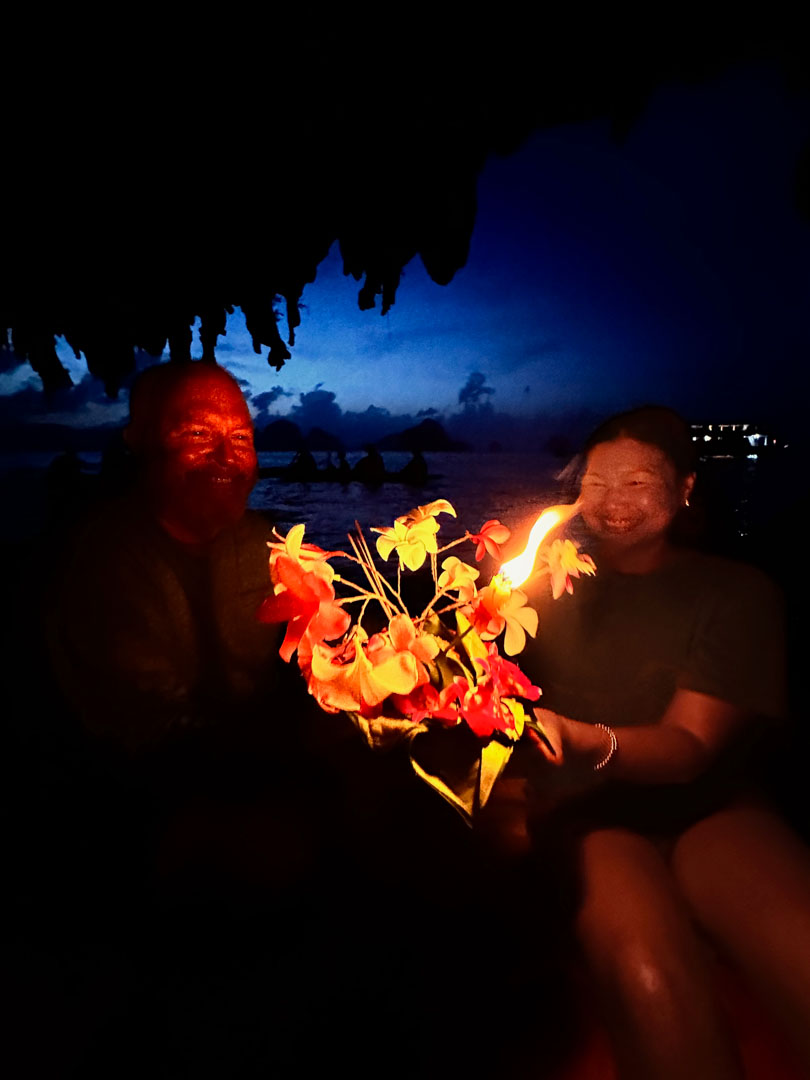
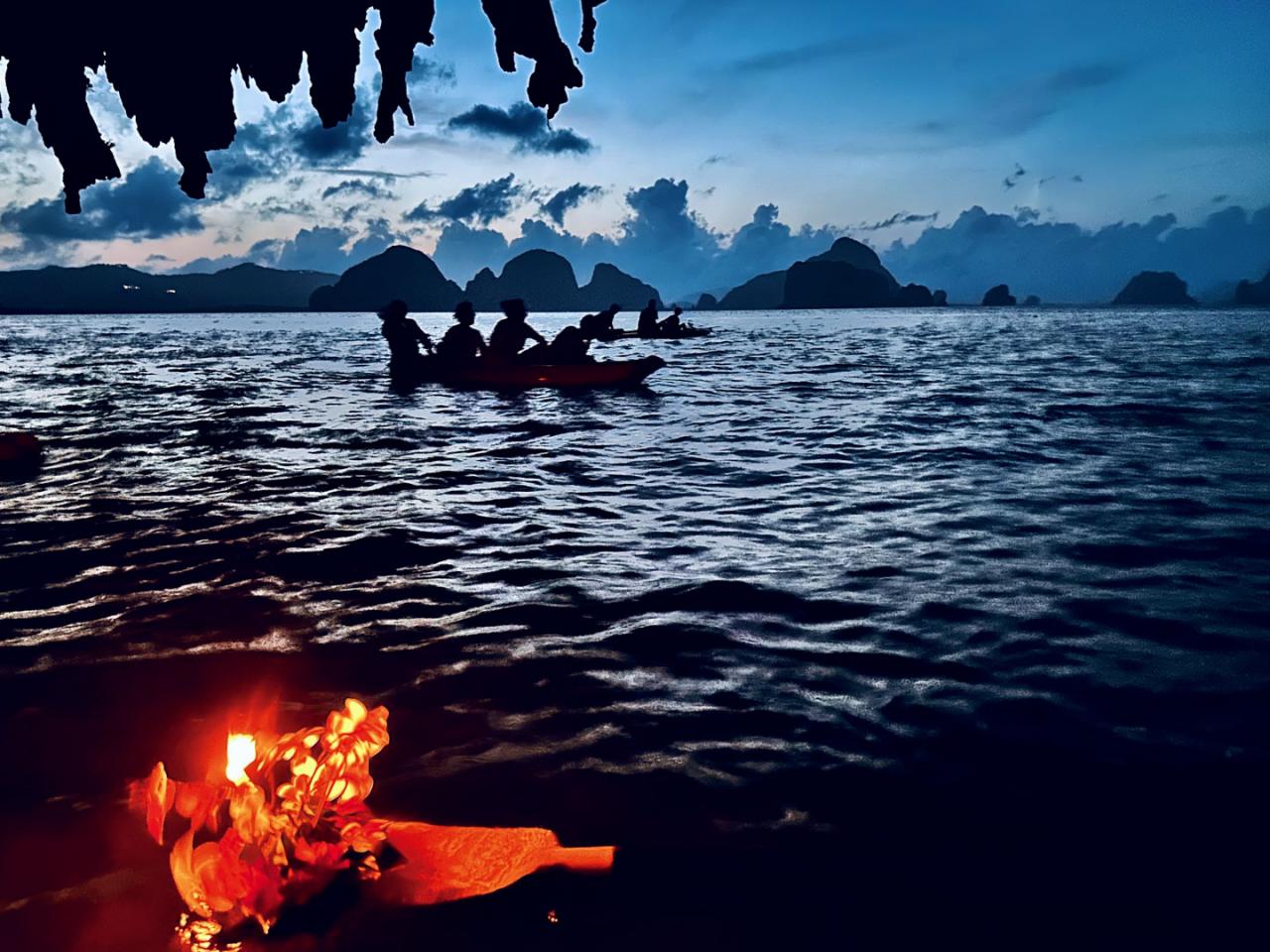
Although I hope Sumba develops along a different trajectory, I can’t stop loving Phuket. It’s still gorgeous, and my favorite tour company, John Gray’s Sea Canoe, still paddles guests through the hidden caves of Phang Nga Bay on Phuket’s east coast, into secret lagoons where mudskippers climb mangroves. The guides still point out crab-eating macaques and Brahminy kites, and they still laugh and play practical jokes on their fellow crew members. The stars still shimmer as the boat returns in the dark. Back on land, trucks hawk durian along the roadside, same as ever, and the local markets still serve up the same old curries—gaeng som, and gaeng dai pla—so you know, Phuket hasn’t lost its flavor, hasn’t lost its spice.